The Long Game
What Actually Changed in Board Games
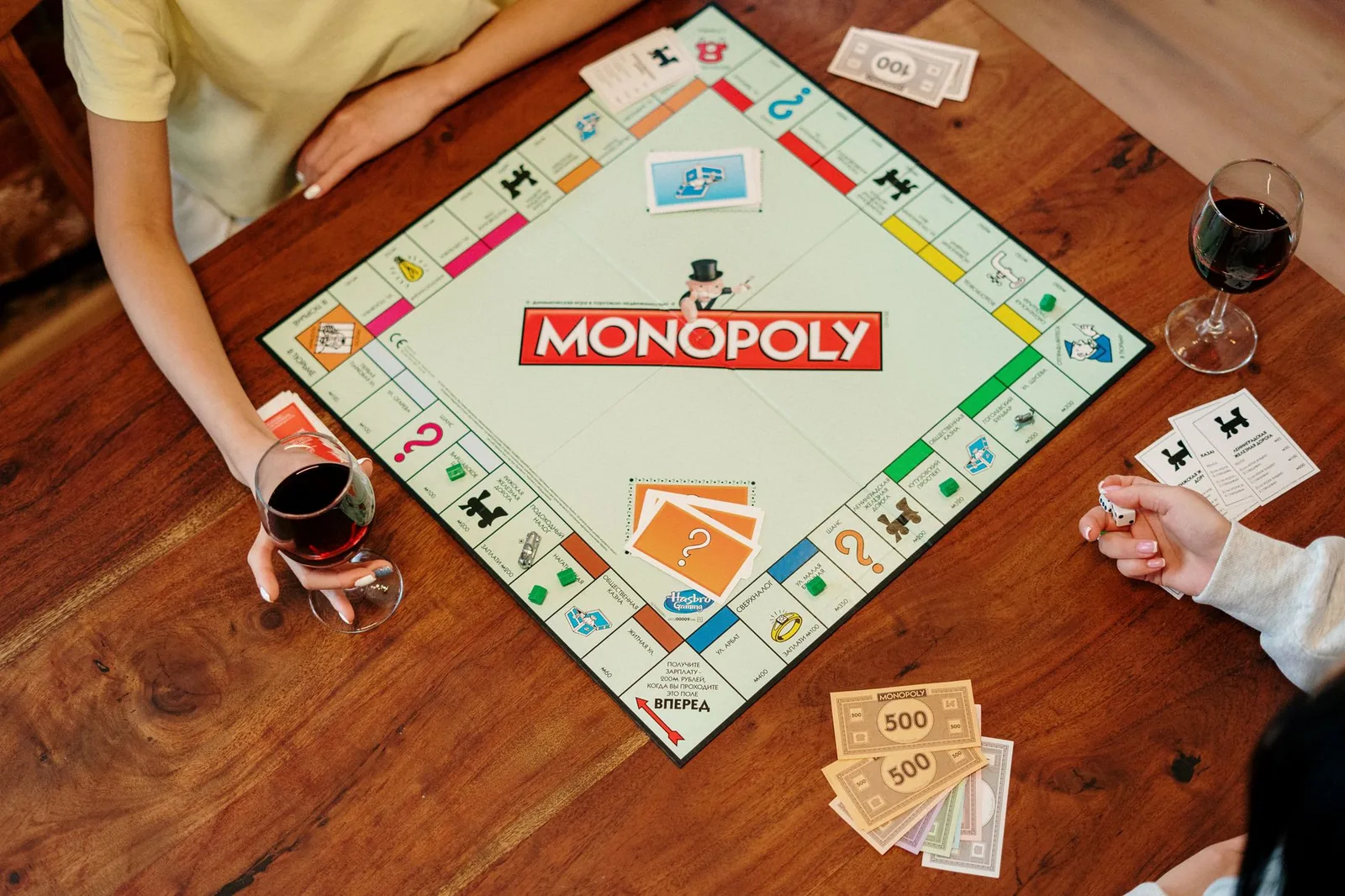
The hobby did not simply get bigger. The design assumptions underneath it changed, and that is what made the difference.
Read this piece
Notes from the table
Essays on tabletop design, the culture around it and what actually happens once a box is opened.
The hobby did not simply get bigger. The design assumptions underneath it changed, and that is what made the difference.
Read this piece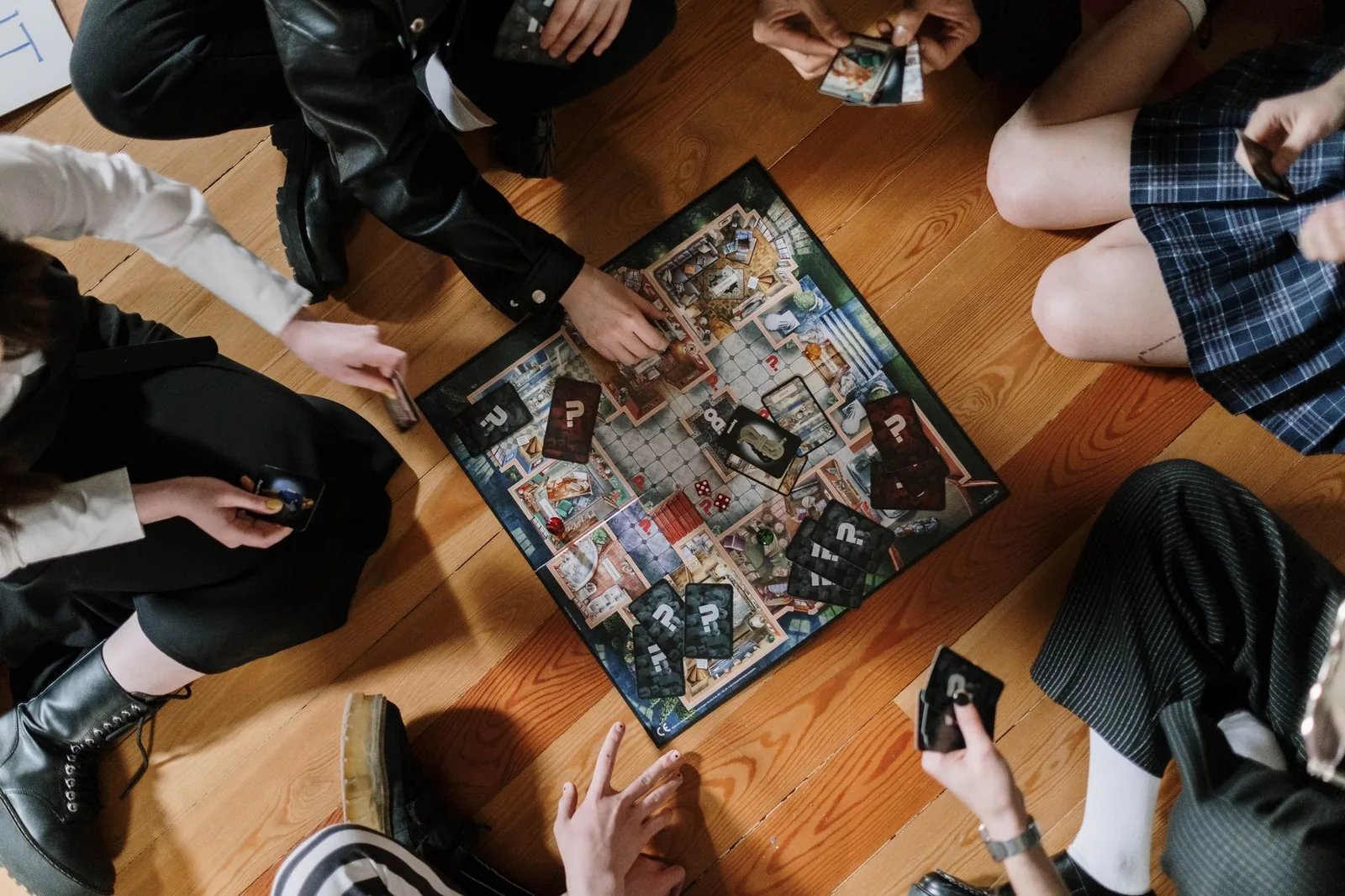
The failure mode is almost never the game. It is the forty minutes before the game starts.
Read this piece
Adaptations used to be cash-ins. Some of them are now better designed than the games they came from.
Read this piece
One of the most common mechanics in modern board games, described in plain terms.
Read this piece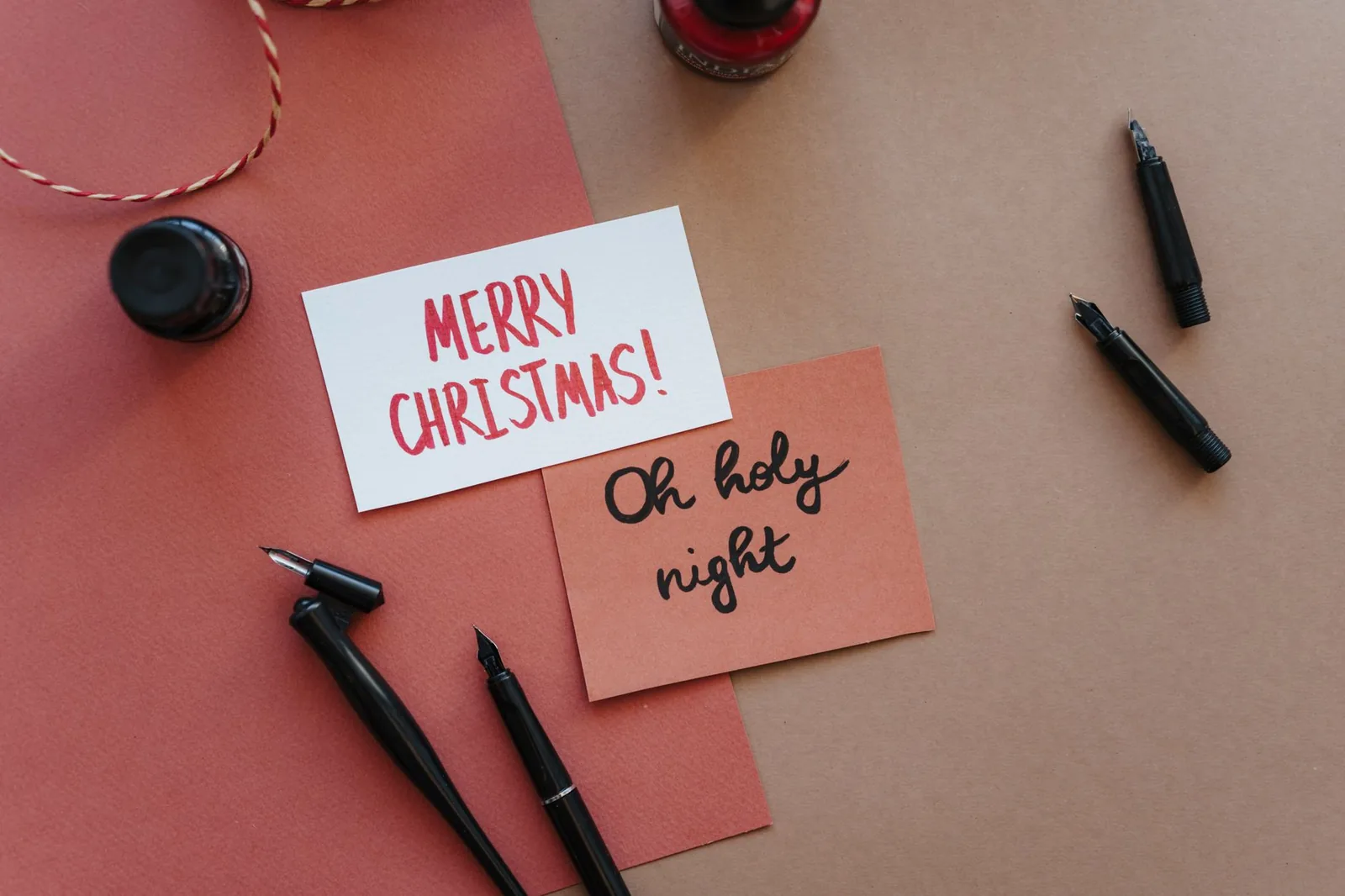
From a scribbled prototype to a shrink-wrapped box, and the years in between.
Read this piece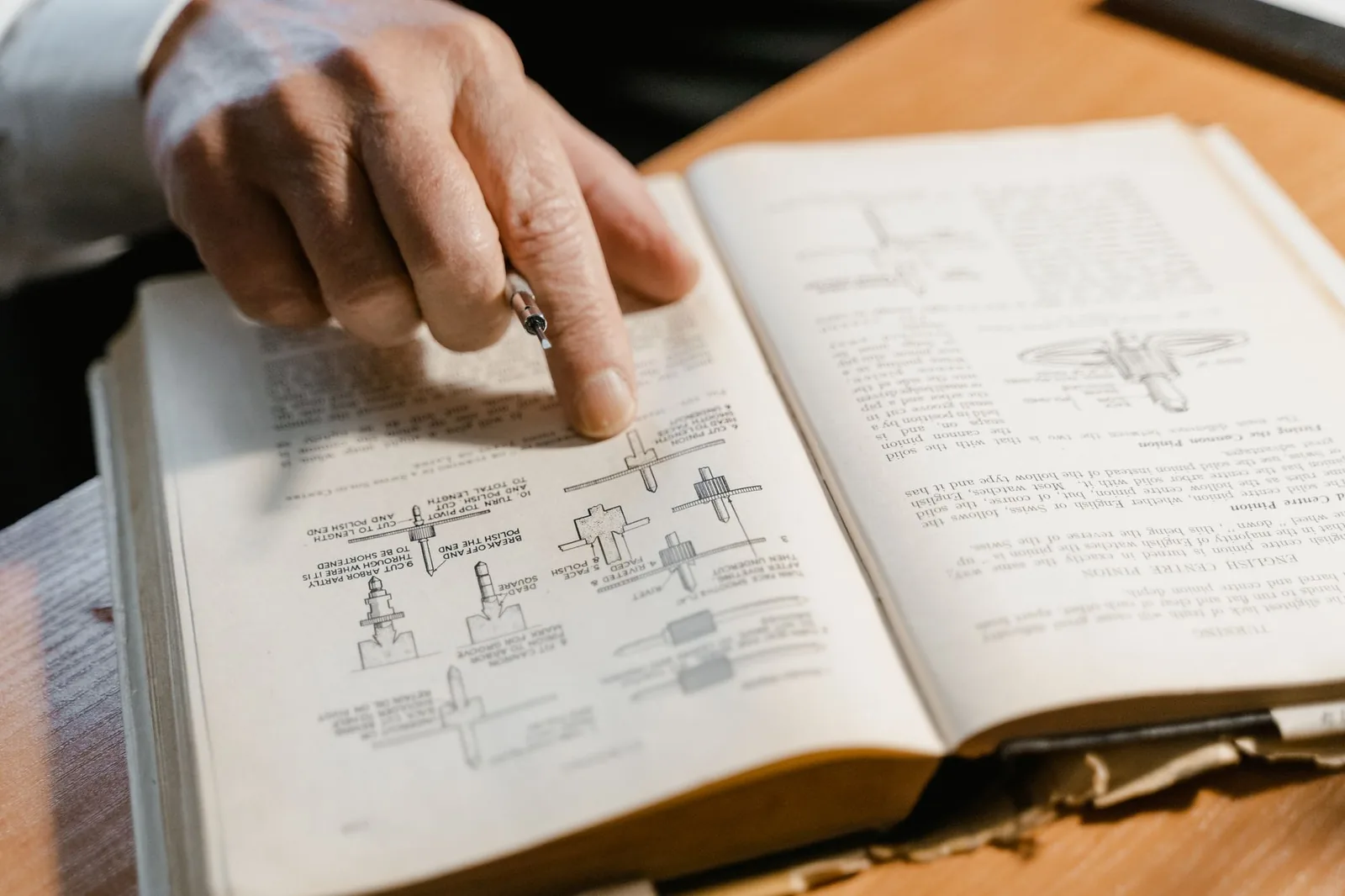
Rulebooks are the most-read and least-designed part of most board games.
Read this piece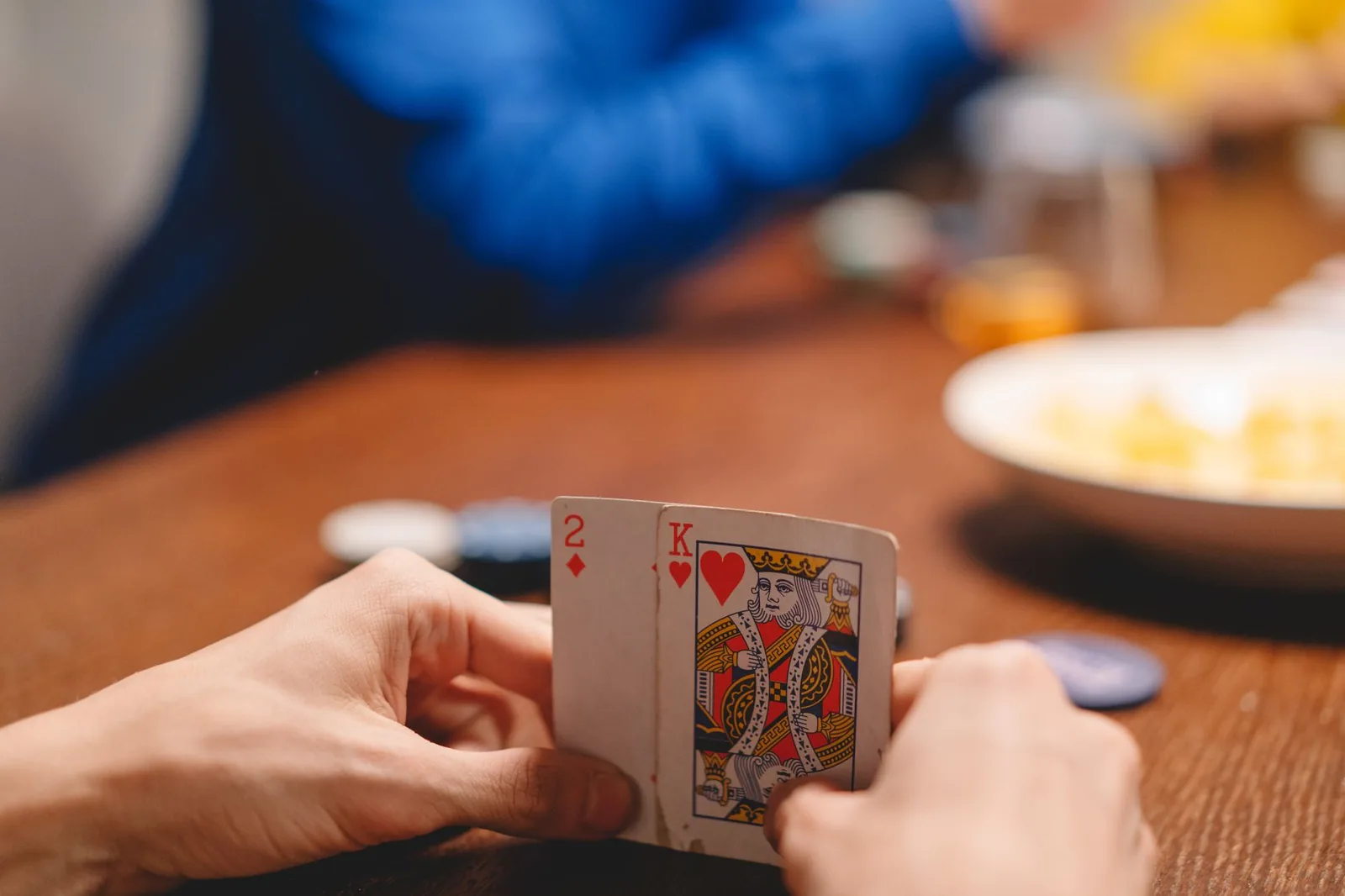
The two-player count is treated as a compromise. For a lot of designs it is the best way to play.
Read this piece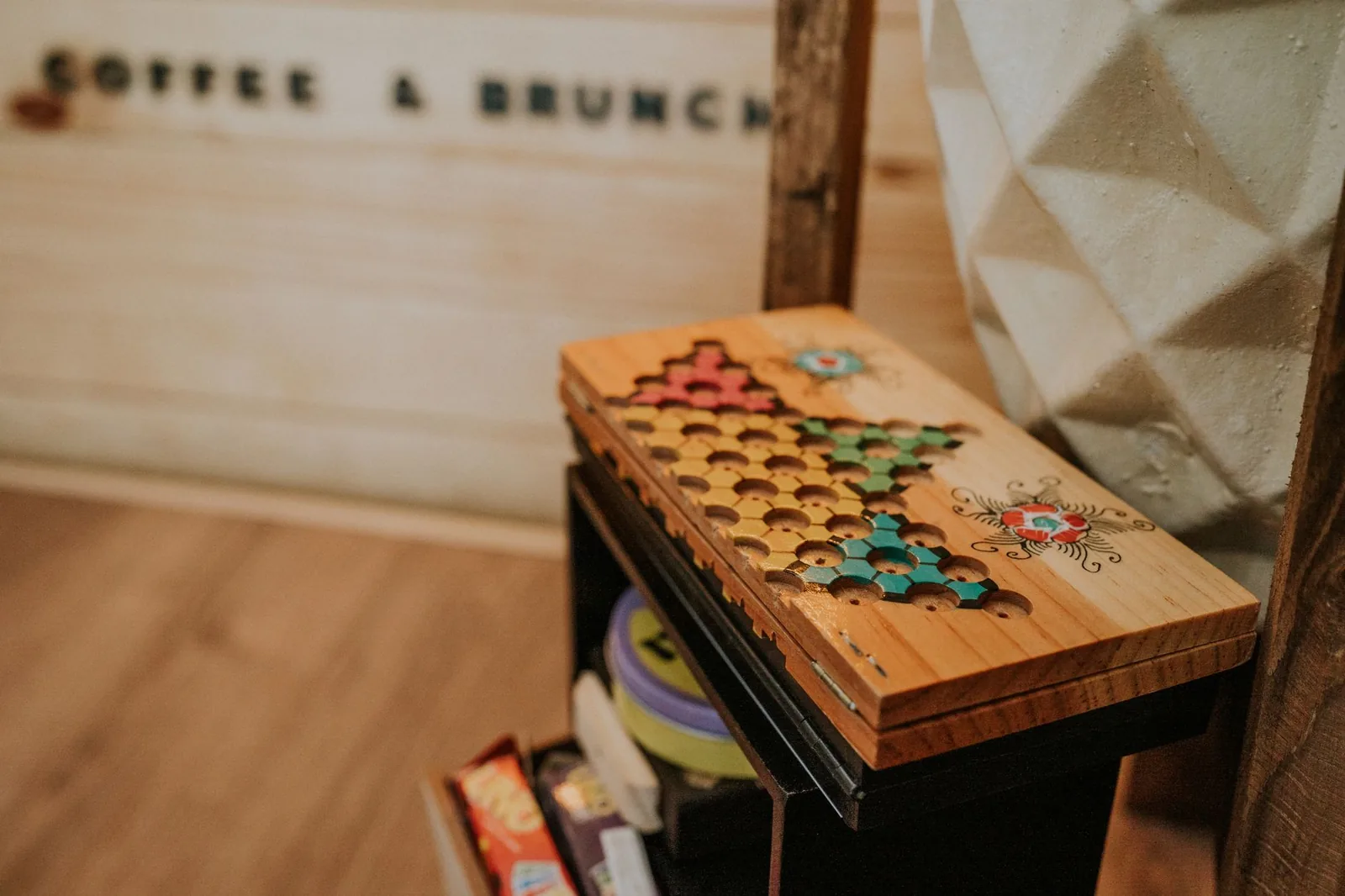
Board games did not begin in the 1990s, though a good deal of the hobby writes as though they did.
Read this piece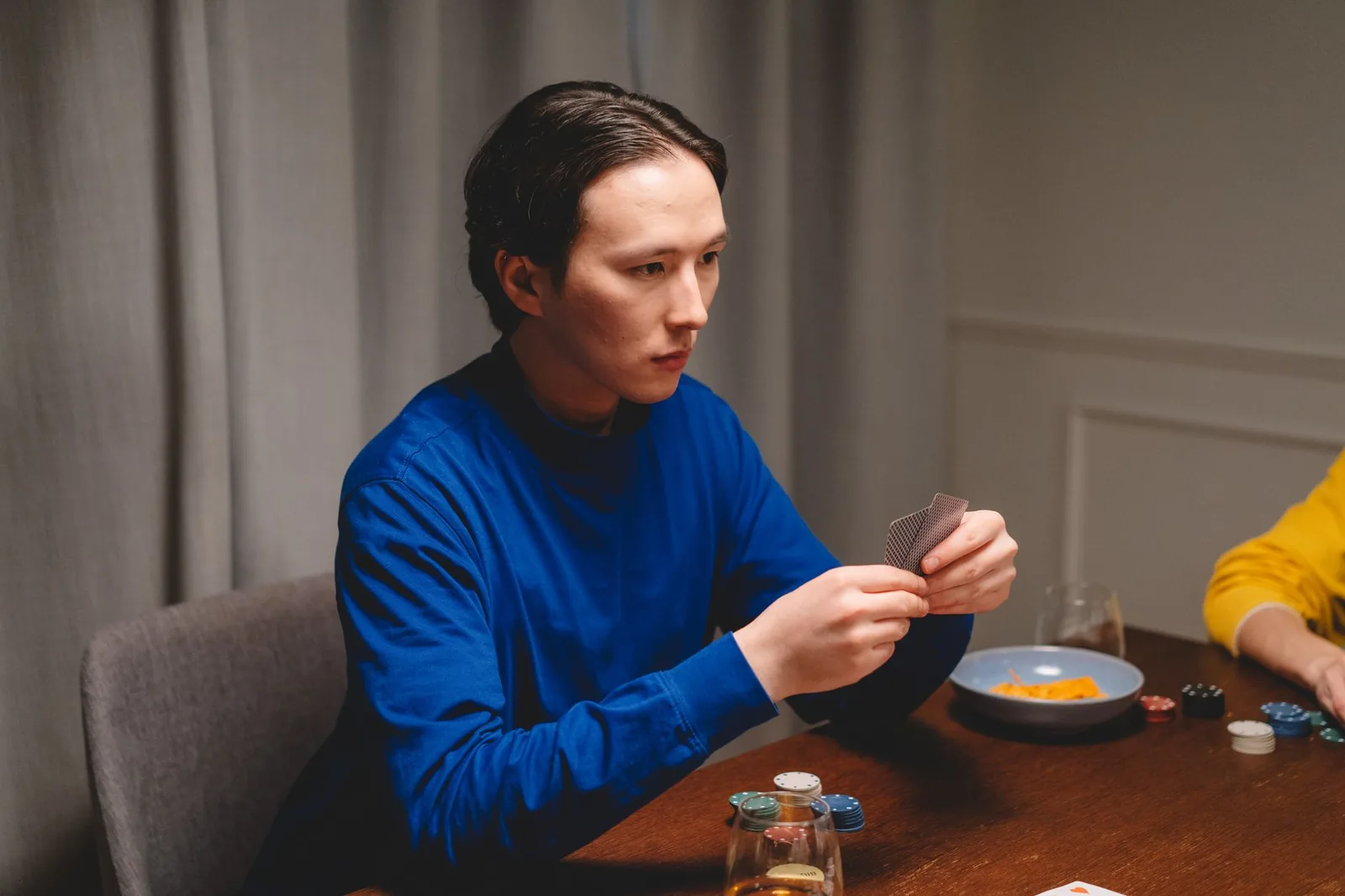
Solo modes went from a curiosity to a standard feature in about a decade.
Read this piece
Boxes warp, cards wear and inserts are mostly useless. Some practical notes.
Read this piece