
What Actually Changed in Board Games
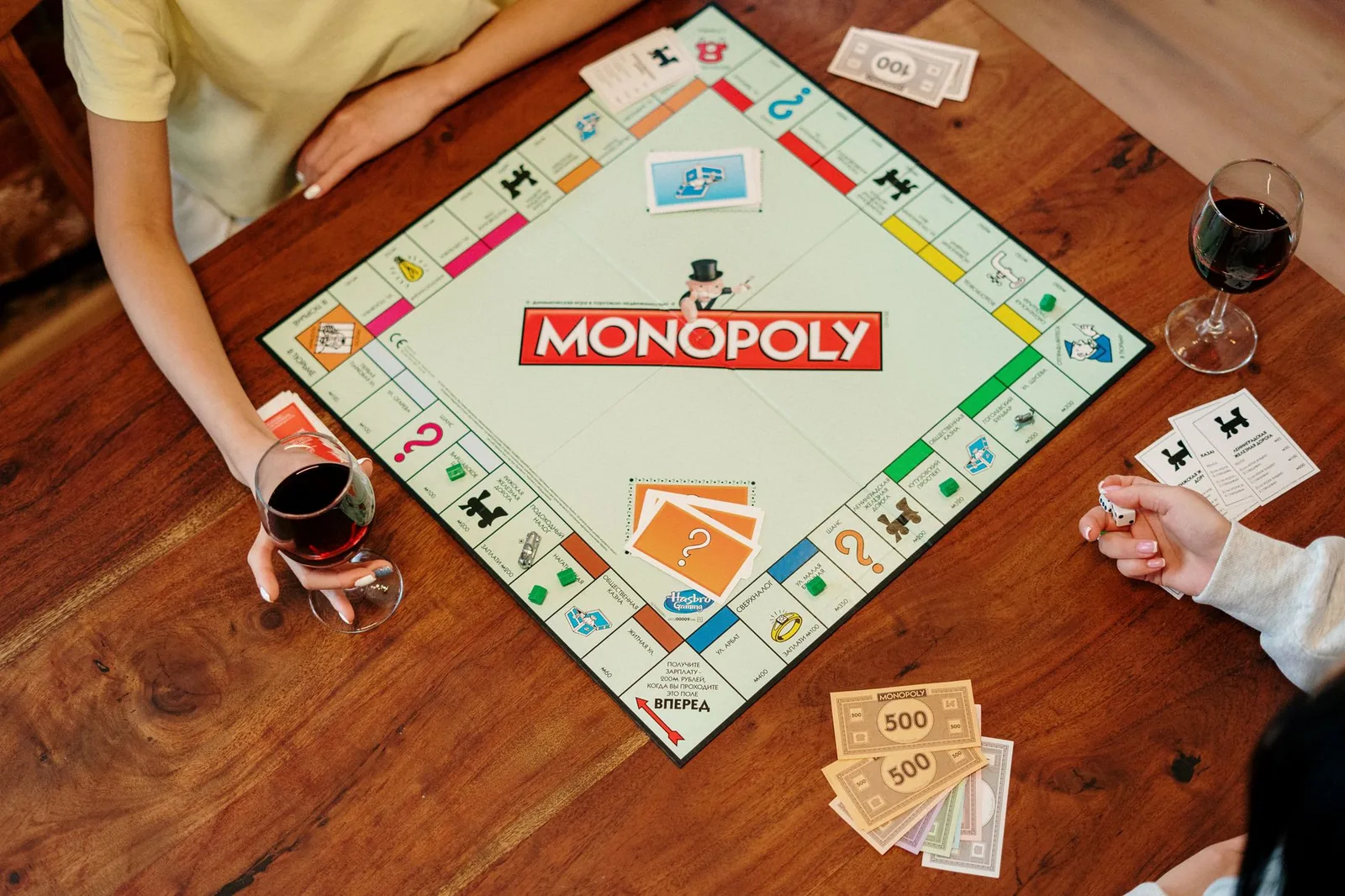
The hobby did not simply get bigger. The design assumptions underneath it changed, and that is what made the difference.
The quiet shift
Ask most people when board games got good again and they will point at a shelf full of boxes from the last fifteen years. The shelf is real enough. But the growth is a symptom, not the cause, and treating it as the cause leads to some odd conclusions about what the hobby is for.
What actually changed is smaller and harder to photograph. Designers stopped assuming that a game needed a loser to have a winner, that luck had to be the engine rather than the seasoning, and that two hours was a reasonable minimum. Those three assumptions had gone unexamined for decades.
Elimination stopped being the default
For most of the twentieth century, the standard shape of a board game was attrition. Players were removed one by one until somebody remained. It works in a family of four with an afternoon to spare and no better options. It works badly the moment anyone has somewhere else to be.
The alternative was not new, but it became normal: everybody plays to the end, and the end arrives when a condition is met rather than when the table has been cleared. It sounds like a small adjustment. In practice it changes who is still in the room at the finish, which changes everything about how the last twenty minutes feel.
Luck became seasoning
Dice did not disappear. What changed is where they sit in the sequence. In an older design, a roll determined the outcome and the player reacted. In a newer one, the player commits first and the roll adjusts the margin. The difference is between being a passenger and being a driver in bad weather.
This is why players who insist they hate luck often turn out to enjoy games full of it. They do not object to randomness. They object to randomness that arrives after their decision has already been locked in and renders it irrelevant.
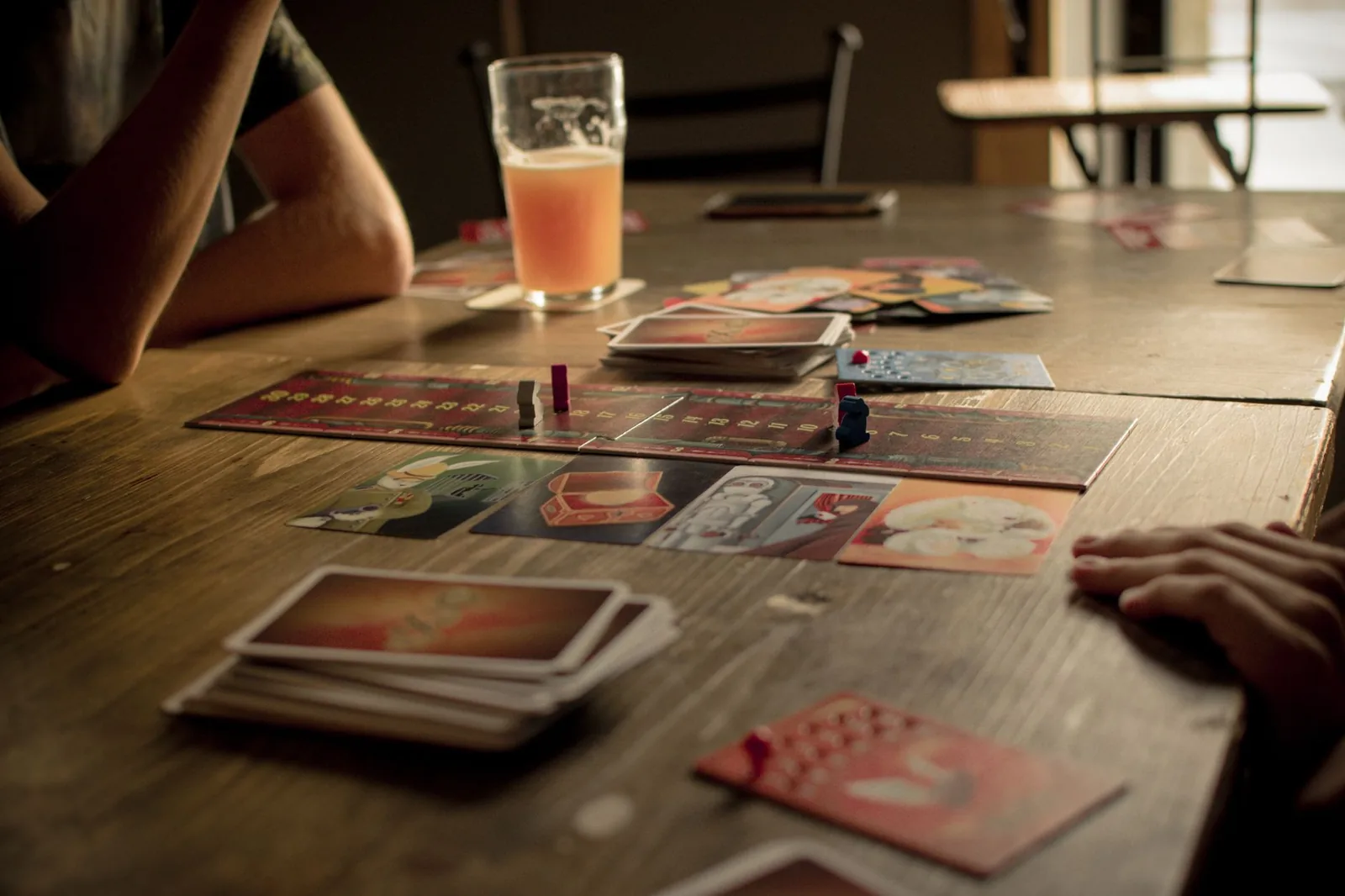
Length became a design choice
The third change is the least discussed and possibly the most important. Playing time stopped being an accident of the rules and became something designers targeted deliberately, the way a screenwriter targets a runtime.
A game that ends at forty-five minutes because it was built to end at forty-five minutes plays differently from one that happens to take forty-five minutes. The first has a shape. The second has a stopping point. Most people can feel the difference long before they can explain it.
There is a commercial reason as well as a design one. A game that reliably fits an evening gets recommended, and recommendation is how anything sells in a category with no advertising budget.
The shelf is not the evidence
It is worth being sceptical of the shelf as proof of anything. A large collection demonstrates that a person buys games, which is a claim about disposable income and marketing reach rather than about design quality.
The better evidence is what gets played twice. On that measure the hobby is smaller than it looks and considerably healthier than it was.