
Games That Are Better With Two
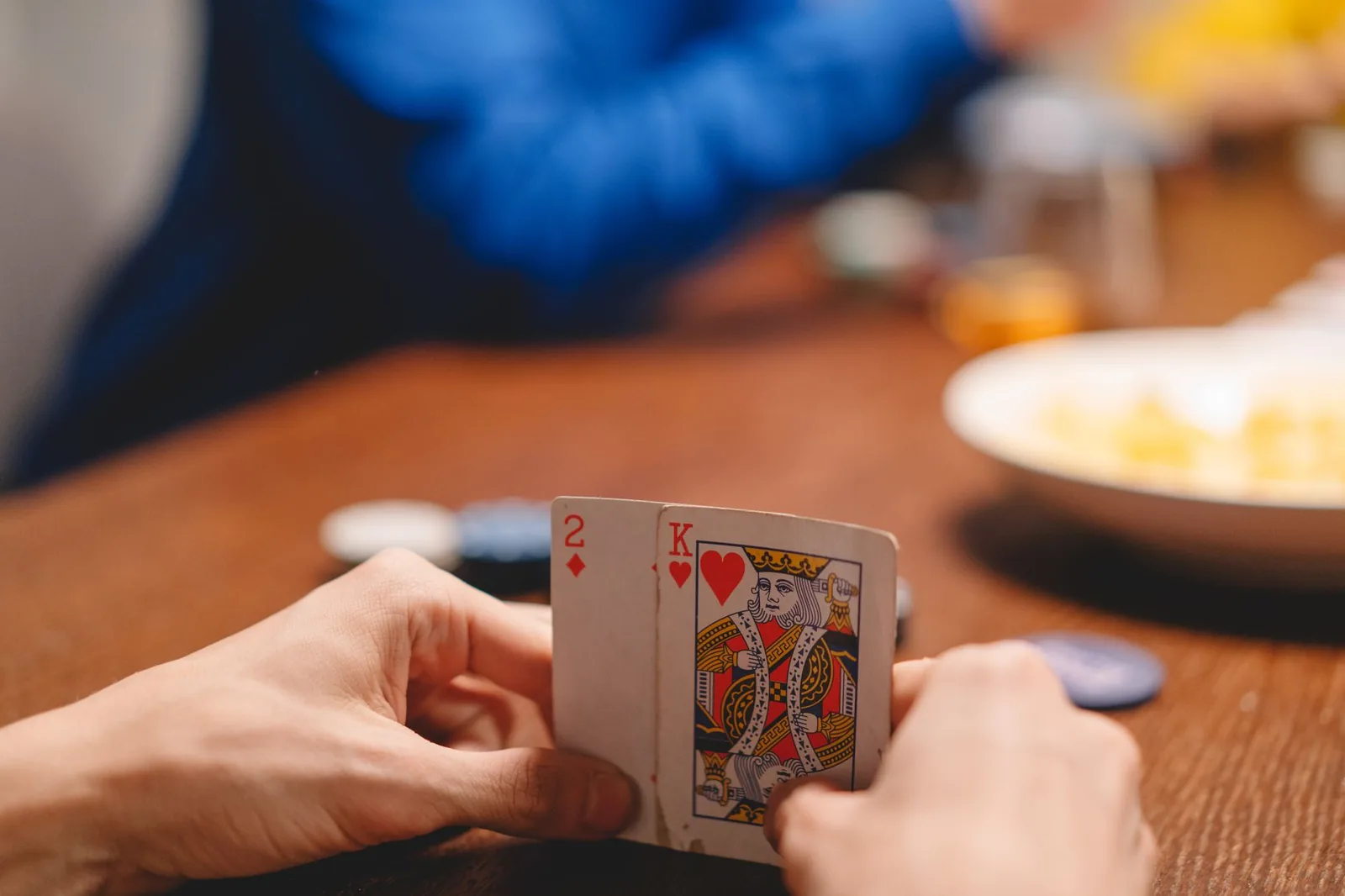
The two-player count is treated as a compromise. For a lot of designs it is the best way to play.
Not a consolation prize
Box backs list a player count range and the assumption is that the top of the range is the real game and everything below it is a fallback. For a certain kind of design that is true. For a surprising number it is exactly backwards.
Anything built on reading an opponent gets sharper as the table shrinks. With five players a bluff is diluted across four readers. With one, it is a conversation.
What shrinks well
Abstract strategy, most card-driven duels and anything with a tight action economy generally improve at two. The downtime vanishes, the state of play stays legible, and you can actually plan because there is only one person who might disrupt you.
What shrinks badly is anything whose interest comes from the social layer: negotiation, hidden roles, alliance-forming. These need a crowd to have anything to work with, and at two they collapse into a staring contest.
The scaling problem
Many multiplayer games bolt on a two-player variant late, often by adding a neutral third party that takes actions according to a small rulebook of its own. Some of these are elegant. Many are homework.
A reliable tell is where the variant sits in the rulebook. Integrated into the main rules, someone designed for it. Tucked in an appendix after the credits, someone was asked to add it.
There is also a middle case worth knowing about, where a game supports two by having each player run two factions. These are usually fine mechanically and quietly exhausting, because the cognitive load doubles while the social element stays at zero.
Two is the count you actually have
Most evenings do not contain four available adults. They contain two people, one of whom is tired. A shelf weighted toward five-player epics is a shelf that mostly does not get used.
Buying deliberately for two is the single change most likely to increase how often anything gets played at all.