
The Rulebook Problem
Rulebooks are the most-read and least-designed part of most board games.
Written for the wrong reader
Most rulebooks are written by people who already understand the game, for a reader who does not. That gap is enormous, and it is very hard to see from the inside once you have played fifty times.
The tell is a rulebook organised the way the designer thinks about the game rather than the way a stranger encounters it. Setup buried on page four. The win condition explained after the actions that lead to it.
The gap is widest in games the designer has spent years with. Familiarity does not just make you forget what is confusing; it makes the confusing parts feel self-evident, which is worse.
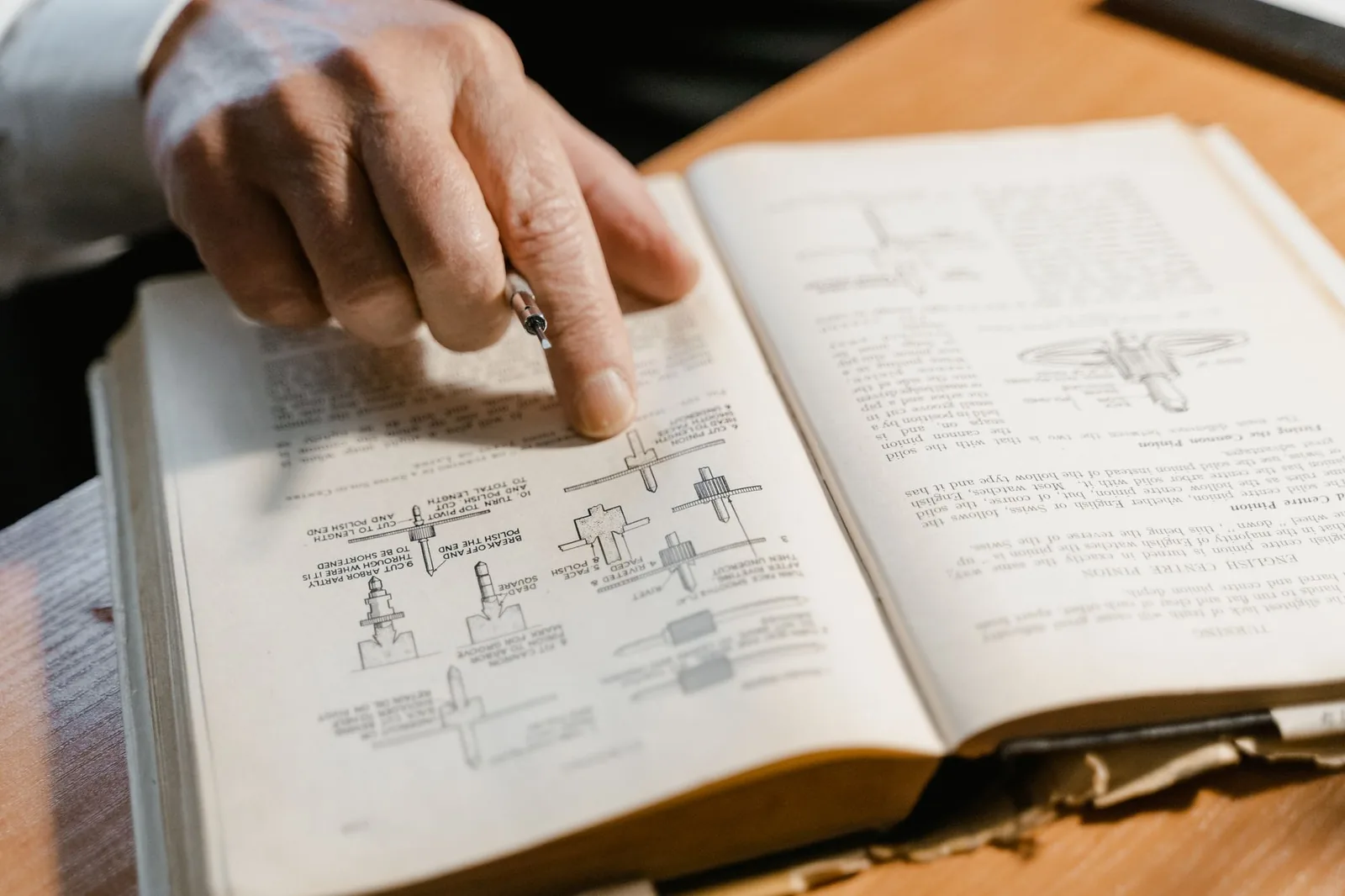
Reference and teaching are different jobs
A teaching document introduces concepts in the order a beginner needs them. A reference document answers a precise question quickly during play. These are opposite structures, and one book trying to be both usually fails at both.
The better publishers now ship two: a short illustrated walkthrough and a separate alphabetical reference. It costs more to produce and it saves the first play, which is the play that decides whether the box gets opened again.
Examples do more than rules
A worked example of one full turn teaches more than three pages of precise conditional prose. Readers pattern-match. Give them one concrete sequence and they will generalise it correctly far more often than they will parse a nested rule.
The instinct to be exhaustive works against this. Every edge case added to the main text makes the common case harder to find.

It is a craft with almost no credit
Rules writing is a genuine specialism, and one of the few in the hobby with no public profile at all. Players remember designers and sometimes illustrators. Almost nobody can name the person who made a complicated game teachable.
Which is a shame, because on the evidence of any given shelf it is the skill in shortest supply.