
Playing Alone, On Purpose
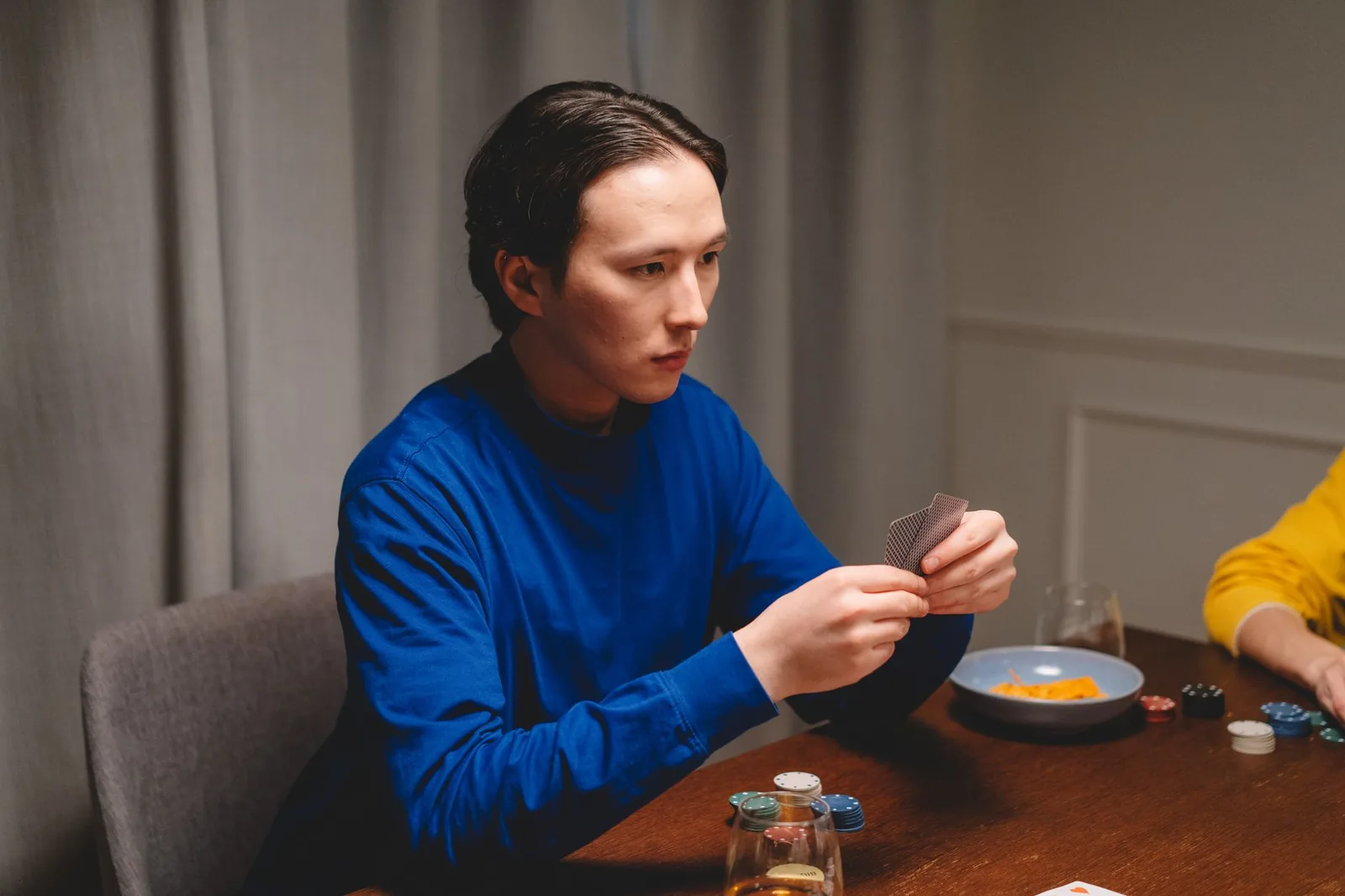
Solo modes went from a curiosity to a standard feature in about a decade.
From afterthought to feature
A decade ago a solo mode was a rarity, usually a beat-your-own-score variant nobody expected you to use. Now it is close to standard, and for a growing number of designs it is the mode that gets the most attention in development.
The change was demand-led. It turns out a great many people own games they cannot reliably get four people together to play, and would rather play alone than not at all.
The automated opponent
The interesting design problem is building an opponent out of a deck of cards and a flowchart. It has to make decisions that feel intentional without requiring the player to run a simulation in their head between turns.
The good ones achieve this by being simple but unpredictable. The bad ones are either trivially exploitable within three plays or so fiddly that the player is effectively playing both sides badly.
The other approach, less common and more interesting, is to replace the opponent with a clock. No automated player at all, just a deck that removes options over time, so the pressure comes from the shrinking board rather than from anything pretending to think.
A different kind of pleasure
Solo play is not multiplayer with fewer people. It is closer to a puzzle with a timer, and the satisfaction comes from optimisation rather than from reading anyone. Players who love one do not automatically love the other.
It also rewards repetition in a way group play does not. Losing the same scenario four times and finally solving it is the point, not a sign that something has gone wrong.
What it changed about buying
Solo support has quietly become a purchasing criterion, and publishers know it. A game that plays well alone gets opened far more often than one that needs a full table, which means it gets recommended more, which means it sells longer.
The commercial logic and the player's interest happen to point the same way here, which is rarer than it should be.